
Barley Porridge Beneficial Properties: For Health
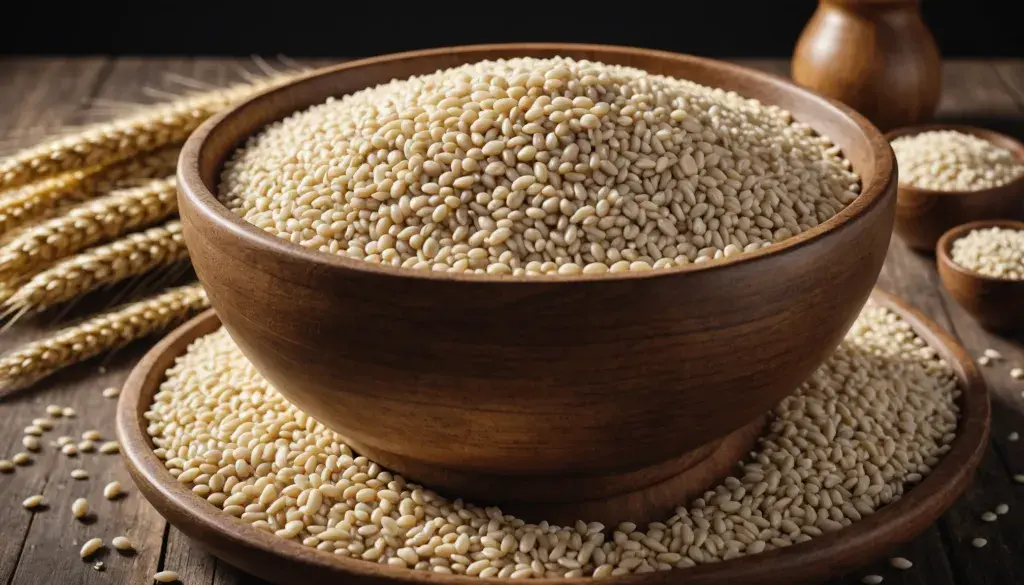
Authored by sportsnutritionsupply.com, 14-02-2026
Introduction
Barley porridge, a staple in many traditional diets, delivers more than sustenance—it packs a nutrient profile that modern science increasingly validates for everyday health support. Pearl barley, the hulled grain at its core, retains the bran layer rich in beta-glucans, soluble fibers that lower cholesterol and stabilize blood sugar. Unlike refined grains, this whole grain form resists quick digestion, providing sustained energy without spikes. Populations in regions like Scandinavia and the Middle East have relied on it for centuries, linking consistent consumption to lower rates of cardiovascular issues and better digestive health.
Health enthusiasts today rediscover barley porridge not as bland fare but as a versatile base for boosting immunity, aiding weight management, and even improving skin vitality through its antioxidants and minerals. Questions like how long to cook pearl barley often arise, revealing a practical barrier to adoption—yet mastering this unlocks a food that rivals superfoods in efficacy. This article unpacks its beneficial properties, from nutritional breakdown to proven effects on key body systems, preparation tips including pearl barley how long to cook, and real-world applications. Readers gain actionable insights to integrate it effectively, backed by physiological mechanisms and culinary precision.
Expect details on how long does pearl barley take to cook in various methods, alongside evidence-based benefits that extend beyond hype. Whether seeking to fortify meals against chronic conditions or simply elevate breakfast, barley porridge offers tangible advantages rooted in its composition.
Nutritional Profile of Barley Porridge
Key Macronutrients and Micronutrients
Barley porridge supplies complex carbohydrates at about 75 grams per 100-gram dry serving, fueling prolonged activity. Protein content hovers around 10-12 grams, with essential amino acids supporting muscle repair. Fats remain minimal, mostly unsaturated from the bran.
Vitamins include B1 (thiamine) for energy metabolism and niacin for cellular health. Minerals stand out: manganese aids antioxidant defenses, selenium bolsters thyroid function, and phosphorus strengthens bones.
Unique Bioactive Compounds
Beta-glucans form viscous gels in the gut, binding cholesterol for excretion. Polyphenols combat oxidative stress, while tocols like vitamin E protect cell membranes.
- Beta-glucans: 3-11% of dry weight, highest among cereals.
- Phenolic acids: Ferulic and p-coumaric dominate.
Cardiovascular Health Benefits
Cholesterol Management
Beta-glucans reduce LDL cholesterol by interrupting bile acid reabsorption, prompting liver use of circulating lipids. Studies show 3 grams daily lowers total cholesterol by 5-7%.
Regular intake mimics statin effects mildly, without side effects.
Blood Pressure and Vascular Support
Magnesium relaxes arteries, easing pressure. Fibers improve endothelial function, enhancing blood flow.
Antioxidants neutralize free radicals that stiffen vessels over time.
Anti-Inflammatory Effects
Barley compounds suppress cytokines linked to atherosclerosis. This porridge curbs chronic low-grade inflammation fueling heart disease.
Digestive and Gut Health Advantages
Fiber's Role in Regularity
Insoluble fibers add bulk to stool, speeding transit. Soluble types feed beneficial bacteria, producing short-chain fatty acids.
Daily portions prevent constipation and support microbiome diversity.
Prebiotic Properties
Resistant starches resist small intestine breakdown, fermenting in the colon. This fosters Bifidobacteria growth, linked to lower gut inflammation.
Protection Against Disorders
High fiber intake correlates with reduced diverticulitis risk. Barley soothes IBS symptoms through balanced fermentation.
Metabolic and Weight Management Benefits
Blood Sugar Control
Low glycemic index (around 25) prevents insulin surges. Beta-glucans slow glucose absorption, ideal for diabetes management.
Post-meal spikes drop significantly with barley inclusion.
Satiety and Calorie Regulation
Viscous porridge expands in the stomach, signaling fullness via hormones like GLP-1. This curbs overeating naturally.
Support for Fat Metabolism
Hordein protein and fibers enhance fat oxidation during exercise. Long-term, it aids lean mass preservation.
Preparation and Culinary Integration
Basic Cooking Methods
To prepare pearl barley porridge, rinse 1 cup grains and soak overnight for tenderness. Boil in 3-4 cups water or milk, simmering covered. How long to cook pearl barley depends on soaking: unsoaked takes 40-50 minutes; presoaked, 25-30 minutes. Stir occasionally to prevent sticking.
Timing Variations
Stovetop suits traditional texture—pearl barley how long to cook fully yields chewy grains at 45 minutes median. Pressure cookers cut this to 20 minutes under high pressure. Microwave in covered dish: 10-15 minutes on high, stirring midway.
How long does pearl barley take to cook in a slow cooker? 6-8 hours on low yields creamy results without attention.
Flavor Enhancements and Recipes
Pair with cinnamon, berries, or nuts for antioxidants. Savory versions add broth, vegetables, herbs. Blend into smoothies post-cooking for hidden nutrition.
Potential Considerations and Maximizing Benefits
Allergen and Digestibility Notes
Gluten-present but lower than wheat; celiacs avoid. Start small to build fiber tolerance, preventing bloating.
Optimal Daily Intake
Half-cup dry (150-200 grams cooked) daily hits fiber goals. Combine with varied diet for synergy.
Sourcing and Storage Tips
Choose whole pearl barley over pearled for max nutrients. Store airtight in cool, dry spot up to a year.
Frequently Asked Questions
Is barley porridge suitable for weight loss?
Yes, its high fiber and protein promote satiety, reducing overall calorie intake. Replace refined carbs with it for steady fat loss without hunger.
Can diabetics eat barley porridge daily?
Absolutely; the low GI stabilizes blood sugar better than oats alone. Monitor portions and pair with proteins.
How long to cook pearl barley without soaking?
Expect 40-50 minutes simmering in ample liquid. Test doneness by bite—grains should soften yet retain shape.
Pearl barley how long to cook in instant pot?
20 minutes high pressure with 1:3 grain-to-liquid ratio, natural release 10 minutes. Yields fluffy texture efficiently.
Does barley porridge help with constipation?
Its insoluble fiber increases stool bulk and frequency. Drink extra water to amplify effects, seeing results in days.
How long does pearl barley take to cook for porridge specifically?
Aim for 30-45 minutes post-soak, stirring to creamy consistency. Overcook slightly for infant-smooth versions.